 info@iyrinhealth.com
 +1 (480) 770-0630
 Important Notice: Products are manufactured and dispatched from India. Buyers initiate import and are responsible for compliance in their jurisdiction.
Premature Ejaculation
Showing all 3 results
Premature ejaculation (PE), also referred to as early ejaculation, is one of the most common male sexual disorders, particularly among men under the age of 40. Samuel G. Deem, author for Medscape, reports that 30% to 70% of men in the United States experience some degree of premature ejaculation at least once during their lifetime [1].
Further, research by Arkiath Veettil Raveendran and Ankur Agarwal indicates that lifelong premature ejaculation is characterized by a very short intravaginal ejaculatory latency time (IELT). They also suggest that approximately 80-90% of men with lifelong PE ejaculate within 60 seconds of penetration. While the remaining affected individuals generally ejaculate within two minutes [2].
For a very long time PE was viewed as a psychological disorder. However, growing research has revealed that it is a multifactorial condition influenced by a combination of psychological, neurobiological, genetic, and physiological factors. Understanding the causes, symptoms, and treatment options for PE is essential for effective management and improved sexual health.
What Is Premature Ejaculation?
Premature ejaculation is a common male sexual dysfunction characterized by ejaculation that occurs sooner than desired during sexual activity. It is often before or shortly after penetration. The condition is associated with a lack of control over ejaculation and can lead to frustration, reduced sexual satisfaction, and emotional distress for both partners [3].
Premature ejaculation may be classified into two main types:
- Lifelong (Primary) PE: A condition that has been present since an individual’s first sexual experiences and persists throughout life.
- Acquired (Secondary) PE: A condition that develops after a period of previously normal sexual function, where premature ejaculation was not initially a concern.
Average Intercourse Time in Premature Ejaculation
Although there is no universally fixed duration that defines premature ejaculation, many healthcare professionals consider ejaculation occurring within approximately one minute of vaginal penetration to be indicative of the condition. Studies have shown that most men with lifelong PE ejaculate within 60 seconds of penetration, while the remainder ejaculate within two minutes.
The diagnosis of premature ejaculation is not based solely on timing. Most clinical guidelines consider ejaculation to be premature when it:
- Occurs sooner than the individual or their partner desires.
- Causes significant distress, frustration, or dissatisfaction to one or both partners.
- Occurs during all or nearly all sexual encounters.
- Happens within one minute of penetration.
- Persists for at least six months to one year [3].
What Is Considered a Normal Ejaculation Time?A 2005 survey conducted among members of the Society for Sex Therapy and Research found that vaginal intercourse usually lasts between 3 and 7 minutes [4]. |
How Common Is Premature Ejaculation?
Premature ejaculation is one of the most common male sexual disorders worldwide. Although prevalence estimates vary depending on the definition used and the methods of assessment, studies consistently show that a significant proportion of men experience PE at some point in their lives.
Most large-scale surveys report that approximately 20-30% of men are affected by premature ejaculation. Data from the Global Survey of Sexual Attitudes and Behaviors, which included nearly 30,000 participants across multiple countries, found that about 30% of men reported experiencing PE. Similarly, the Premature Ejaculation Prevalence and Attitude Survey reported a prevalence rate of 22.7% among men aged 18 to 70 years [5].
However, premature ejaculation is still considered a taboo topic and many men are reluctant to talk about it or seek help. As a result, there is still scope for research to better understand how common it is and how it affects men’s lives.
Signs and Symptoms
Common symptoms of premature ejaculation include:
- Ejaculation that occurs sooner than desired during sexual activity, often within few minute of penetration.
- Inability to delay or control ejaculation despite efforts to do so.
- Reduced sexual satisfaction.
- Persistent feelings of frustration, embarrassment, or distress related to sexual performance.
- Performance anxiety or fear of ejaculating prematurely during future sexual encounters.
- Avoidance of sexual activity because of concerns about sexual performance.
- Symptoms occurring consistently during most or all sexual encounters, including masturbation in some cases.
What Causes Premature Ejaculation?
The exact cause of premature ejaculation is not always clear, and in many cases, it results from a combination of psychological and biological factors.
Some of the causes of premature ejaculation include-
Psychological Causes
Psychological factors are among the most common causes of premature ejaculation. These include:
- Performance anxiety: Nervousness about sexual performance, being with a new partner, or excessive excitement can contribute to early ejaculation.
- Stress: Work-related pressures, financial concerns, family issues, or major life changes can interfere with sexual function and ejaculatory control.
- Relationship difficulties: Ongoing conflicts, communication problems, unresolved emotional issues, or a history of sexual trauma may increase the risk of PE.
- Depression: Feelings of guilt, sadness, frustration, or emotional distress can affect sexual performance.
Physical and Biological Causes
Several biological factors have also been associated with premature ejaculation, including:
- Erectile dysfunction (ED): Men who are concerned about achieving or maintaining an erection may rush sexual activity, increasing the likelihood of PE.
- Hormonal imbalances: Abnormal levels of hormones involved in sexual function, such as oxytocin, luteinizing hormone (LH), prolactin, and thyroid-stimulating hormone (TSH), may play a role.
- Neurochemical factors: Low levels of neurotransmitters such as serotonin and dopamine, which help regulate sexual desire, arousal, and ejaculation, have been linked to PE.
- Penile hypersensitivity: Increased sensitivity of the penis may cause ejaculation to occur more quickly in response to sexual stimulation.
- Prostate inflammation: In some cases, inflammation or irritation of the prostate gland may contribute to ejaculatory difficulties [3].
Diagnosis
The diagnosis of premature ejaculation begins with a detailed discussion of the patient’s sexual history, symptoms, and overall health. A healthcare provider will ask questions about-
- The frequency of early ejaculation.
- Level of control over ejaculation.
- The duration of symptoms, and the impact the condition has on sexual satisfaction and relationships.
In addition to reviewing sexual and medical history, a physical examination may be performed to identify any underlying health conditions that could be contributing to the problem. The goal is to determine whether the condition is lifelong or acquired and to rule out other sexual health concerns.
If premature ejaculation occurs alongside difficulty achieving or maintaining an erection, the healthcare provider may recommend blood tests. This will help to evaluate hormone levels and assess for possible underlying medical conditions.
In some cases, patients may be referred to a urologist, a specialist in urinary and male reproductive health, for further evaluation and management. If psychological factors such as stress, depression, or relationship difficulties contribute to the condition, consulting a mental health professional or sex therapist is recommended [6].
Premature Ejaculation Treatment
Premature ejaculation is a treatable condition, and a variety of effective treatment options are available. The most appropriate treatment depends on the underlying cause, severity of symptoms, and individual preferences.
Several medications may be prescribed to help delay ejaculation. Some of the medicine for premature ejaculation include-
Topical Numbing Agents
Topical creams, gels, and sprays containing local anesthetics such as lidocaine, prilocaine, or benzocaine can be applied to the penis before sexual activity. These medications reduce sensitivity and may help delay ejaculation.
Antidepressants (SSRIs)
Selective serotonin reuptake inhibitors (SSRIs) are among the most widely used medications for PE because delayed ejaculation is a known side effect of these drugs. Commonly prescribed SSRIs include Paroxetine, Sertraline, and Fluoxetine.
Dapoxetine
Dapoxetine is a short-acting SSRI developed specifically for the treatment of premature ejaculation. Unlike traditional antidepressants that are taken daily, dapoxetine tablets are taken 1-3 hours before sexual activity.
Clinical studies have shown that dapoxetine can improve signs of PE by significantly increase ejaculation time. It can also improve sexual satisfaction for both partners.
Dapoxetine is widely used in many countries as a first-line treatment for premature ejaculation, although it is not approved in all markets.
PDE5 Inhibitors for Erectile Dysfunction
Medications commonly used to treat erectile dysfunction may also help some men with premature ejaculation, particularly when both conditions occur together.
Some common PDE5 inhibitors include Sildenafil, Tadalafil, Vardenafil, and Avanafil.
Dapoxetine + Sildenafil Combination
For men who experience both premature ejaculation and erectile dysfunction, a combination of dapoxetine and sildenafil may offer dual benefits.
- Dapoxetine helps delay ejaculation and improve control.
- Sildenafil helps achieve and maintain a stronger erection.
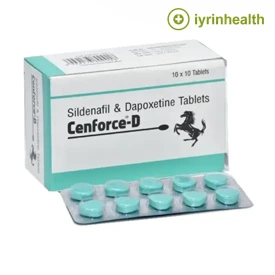
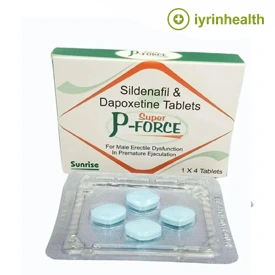
Several combination products contain both dapoxetine and sildenafil, including Cenforce D and Super P-Force.
Tricyclic Antidepressants
If SSRIs are ineffective, clomipramine may be considered. This medication can help delay ejaculation but may cause side effects such as drowsiness, nausea, or reduced sexual desire.
Psychological Counseling
Anxiety, stress, relationship difficulties, and other emotional factors can often contribute to premature ejaculation. Thus, counseling can be an important part of PE treatment. Therapy may involve individual counseling, sex therapy, or couples counseling to address psychological concerns and improve communication between partners [7].
Prevention Strategies
Some of the common preventive strategies for premature ejaculation include-
Condom Use
Condoms can reduce penile sensitivity and help delay ejaculation. Specially designed climax control condoms contain mild numbing agents such as benzocaine or lidocaine or are made from thicker latex to decrease stimulation and prolong sexual activity.
Pause-Squeeze Technique
The pause-squeeze technique is a commonly used behavioral method for delaying ejaculation.
- Sexual stimulation continues until the individual feels close to ejaculating.
- The penis is then gently squeezed at the point where the head meets the shaft.
- Pressure is maintained for several seconds until the urge to ejaculate subsides.
- The process can be repeated as needed.
Stop-Start Technique
A variation of the pause-squeeze method, the stop-start technique involves stopping sexual stimulation immediately before ejaculation and resuming once the level of arousal decreases. Repeated practice can help improve ejaculatory control.
Behavioral Techniques
Behavioral therapies are often recommended as a first-line treatment for PE. These techniques help improve ejaculatory control and reduce performance-related anxiety.
One simple strategy is masturbating one to two hours before sexual activity, which may help delay ejaculation during intercourse.
Pelvic Floor Exercises
Strengthening the pelvic floor muscles can improve ejaculatory control in some men. Pelvic floor exercises involve repeatedly contracting and relaxing the muscles used to stop urination or prevent the passing of gas.
For optimal results:
- Tighten the pelvic floor muscles and hold for about three seconds.
- Relax the muscles for three seconds.
- Repeat the exercise 10 times per session.
- Aim for at least three sessions daily.
When to See a Doctor
If premature ejaculation is causing emotional distress, affecting your self-confidence, or creating challenges in your relationship, it may be time to seek professional medical advice. While PE is a common condition, it can result from a combination of physical, psychological, and relationship-related factors rather than a single underlying cause.
Potential contributing factors include:
- Prostatitis (inflammation of the prostate).
- Uncontrolled diabetes.
- Thyroid disorders.
- Pituitary gland disorders.
- Obesity or metabolic syndrome.
- Recreational drug use.
- Vitamin D deficiency.
- Depression.
- Anxiety, including performance anxiety.
- Relationship difficulties.
- Previous sexual trauma.
- Low self-esteem.
A healthcare provider can help identify possible underlying causes and recommend an appropriate treatment plan based on your individual needs. Effective management may involve lifestyle changes, behavioral techniques, counseling, medication, or a combination of approaches [8].
Available Premature Ejaculation Treatment Options At Iyrinhealth Care
At Iyrinhealth, we currently offer a range of treatment options for premature ejaculation. Our oral treatment options include combination medications such as Cenforce D and Super P-Force, which contain both Dapoxetine and Sildenafil. These medications helps to delay ejaculation while also supporting erectile function, making them a suitable option for men experiencing both PE and erectile dysfunction.
For individuals who prefer a non-oral alternative, we also offer Stud 5000 Spray, a lidocaine-based topical treatment. This spray works by reducing penile sensitivity and may help prolong ejaculation time, providing an alternative treatment option for those who do not wish to use tablets.
FAQs
What causes a man to erect fast?
How to stop premature ejaculation?
How to increase ejaculation time?
Name a few medicine for premature ejaculation?
References
- Premature Ejaculation, emedicine.medscape.
- Premature ejaculation - current concepts in the management: A narrative review, NCBI.
- Premature Ejaculation, clevelandclinic.
- How Long Should Sex Really Last?, healthline.
- How common is premature ejaculation (PE)?, menshealthclinic.
- An Introduction to Premature Ejaculation and Tips to manage it, maxhealthcare.
- Premature Ejaculation, mayoclinic.
- 15 Ways to Prevent Premature Ejaculation, verywellhealth.
-
Sale!
Cenforce D 100+60 mg
Price range: $55.10 through $163.20 Buy Now This product has multiple variants. The options may be chosen on the product page -
Sale!

Stud 5000 Spray
Price range: $44.28 through $127.80 Buy Now This product has multiple variants. The options may be chosen on the product page -
Sale!
Super P Force 100+60 mg
Price range: $38.21 through $128.80 Buy Now This product has multiple variants. The options may be chosen on the product page


Disclaimer
Legal & Medical Disclaimer: This website is operated as an India-based pharmaceutical supply platform. Products are manufactured and dispatched from India. Content is for educational purposes only and is not medical advice. We do not diagnose, prescribe, or recommend treatment. Availability and legal status of medicines vary by jurisdiction. By ordering, the buyer initiates import and agrees to comply with local laws, prescription requirements, and import regulations.