 info@iyrinhealth.com
 +1 (480) 770-0630
 Important Notice: Products are manufactured and dispatched from India. Buyers initiate import and are responsible for compliance in their jurisdiction.
Pregabalin and Alcohol: A Dangerous Combination You Shouldn’t Ignore

Controlled Substance Warning : Pregabalin is Class C controlled (UK since Apr 2019), Schedule 4 (AU), Schedule V (US).
Buyer-Responsibility : It is the buyer’s sole responsibility to verify legality in their jurisdiction.
Mixing medications with alcohol is a common but risky behavior, and Pregabalin is no exception. Widely prescribed for nerve pain, anxiety, and seizures, Pregabalin affects brain function, and so does alcohol. When taken together, these substances can amplify each other’s effects in unpredictable and dangerous ways. In this blog, we will explore the risks, the science behind the interaction, and what medical professionals advise about using pregabalin and alcohol at the same time.
What is Pregabalin?
Pregabalin is a prescription medication primarily used to treat nerve-related pain, anxiety disorders, and certain types of seizures. It helps in managing neuropathic pain by calming overactive nerve signals in the brain, making it highly effective for conditions like diabetic neuropathy, fibromyalgia, and post-herpetic neuralgia.
One of the widely available brands of pregabalin is Nervigesic. This brand is often prescribed for individuals struggling with chronic nerve pain or generalized anxiety disorder. Nervigesic offers the same active compound, Pregabalin. It helps to reduce nerve irritation, promote relaxation, and improve quality of life when used under medical supervision.
Pregabalin is classified as a gamma-aminobutyric acid (GABA) analogue, although it doesn’t work exactly like GABA. Instead, it binds to calcium channels in the central nervous system, which helps to decrease the release of neurotransmitters involved in pain and anxiety responses.
How Alcohol Affects the Body?
Alcohol is a central nervous system (CNS) depressant, meaning it slows down brain activity and affects how messages are transmitted between the brain and the body. When consumed in moderate to high amounts, alcohol can impair judgment, coordination, reaction time, and decision-making.
Here are some key ways alcohol impacts the body-
- Slows Brain Function: Alcohol can dull mental alertness, affect mood, and reduce inhibition, often leading to risky behavior.
- Impairs Motor Skills: It affects balance and coordination, increasing the risk of accidents or falls.
- Affects the Liver: The liver metabolizes alcohol, and excessive intake over time can cause liver damage, including fatty liver, hepatitis, and cirrhosis.
- Disrupts Sleep and Memory: While alcohol might make you feel drowsy, it reduces sleep quality and interferes with memory formation.
- Depresses Respiratory Function: In high doses, alcohol can slow breathing and heart rate, especially when combined with other sedating substances like Pregabalin [2].
What Happens When You Mix Pregabalin with Alcohol?
Combining pregabalin capsules with alcohol intensifies the effects of both substances, as they both act on the central nervous system (CNS). This combination doesn’t just double the impact; it can multiply it, leading to dangerous and sometimes life-threatening consequences.
Here is what happens in the body when the two are mixed-
Increased Sedation
Both alcohol and pregabalin cause drowsiness. When used together, this sedation can become excessive, leading to extreme fatigue, sluggishness, and an inability to stay alert.
Impaired Coordination and Judgment
The combination severely affects motor skills, making activities like driving or operating machinery highly dangerous, even with small doses [3].
Respiratory Depression
In high doses or in sensitive individuals, the CNS-depressant effects of pregabalin and alcohol can slow breathing to dangerously low levels. This is a medical emergency and a leading cause of overdose deaths.
Confusion
Mixing these substances can lead to memory loss, confusion, or difficulty forming new memories. Some people may even experience blackouts or dissociation.
Increased Risk of Addiction
Both substances have the potential for misuse. Used together regularly, they can increase psychological dependence and raise the risk of developing a dual addiction.
Important: Even small or occasional use of alcohol while on Pregabalin can result in serious side effects, especially if you are taking higher doses, using it long-term, or have underlying medical conditions.
Why Some People Mix Pregabalin with Alcohol?
Despite the known risks, some individuals intentionally combine Pregabalin with alcohol for various reasons. While the practice may offer short-term effects, it is often rooted in misinformation, experimentation, or self-medication and can quickly lead to dangerous outcomes.
Here are some common reasons why people mix the two:
To Intensify Sedation or Relaxation
Pregabalin and alcohol both have calming effects. Some people combine them to feel a deeper sense of relaxation, euphoria, or to “unwind” faster, especially during periods of stress or anxiety.
Recreational Use or Experimentation
In social settings, individuals may mix the two substances out of curiosity or peer pressure, unaware of how risky the combination can be.
To Enhance the Effects of Alcohol
Pregabalin can heighten the intoxicating effects of alcohol. People who have developed alcohol tolerance might use pregabalin to feel the same level of “buzz” with less alcohol, without realizing the health consequences.
To Self-Medicate for Pain or Anxiety
Those suffering from chronic pain, insomnia, or anxiety may already be using pregabalin and choose to add alcohol in an attempt to manage symptoms more quickly, often without medical advice.
Lack of Awareness
Some individuals are simply unaware that combining alcohol with prescription medications like pregabalin can be dangerous, especially if they were not warned by a healthcare provider [4].
Who Is Most at Risk?
While anyone can experience harmful effects from combining Pregabalin with alcohol, certain individuals face a significantly higher risk of serious side effects or complications.
- Older Adults- Aging slows down the body’s ability to process drugs and alcohol. This can lead to intensified sedation, confusion, or even falls and fractures.
- People with Liver or Kidney Issues- Both alcohol and Pregabalin are processed through the liver and excreted via the kidneys. Any impairment in these organs can increase drug accumulation and toxicity.
- Those with Mental Health Conditions- People with anxiety, depression, or a history of substance use may misuse the combination to self-medicate, raising the risk of dependency, overdose, or worsening mental health.
- Patients on Other CNS Depressants- Those already taking medications like opioids, benzodiazepines, or sleep aids are at greater risk of respiratory depression and sedation when Pregabalin and alcohol are added to the mix.
- Individuals with a History of Substance Abuse- Anyone with a pattern of alcohol or drug misuse is more likely to combine substances recklessly and experience severe consequences, including addiction or withdrawal complications.
Can You Drink Alcohol On Pregabalin?
The short answer is no, it is strongly discouraged.
Drinking alcohol while taking Pregabalin can significantly increase the risk of serious side effects, including sedation, dizziness, impaired judgment, and respiratory depression. Even small amounts of alcohol can intensify Pregabalin’s effects on the central nervous system, making the combination potentially dangerous.
Is There Any Safe Amount?
While some individuals may believe that a single drink is harmless, there is no universally safe level of alcohol consumption while on Pregabalin. The effects can vary widely based on your-
- Dose
- Tolerance
- Age
- Body weight
- Liver function
- Other medications you may be taking.
How Long After Taking Pregabalin Can I Drink Alcohol?
It is advisable to wait for at least 12 to 24 hours after taking Pregabalin, especially if you are taking higher doses such as Nervigesic 300mg. People who take Pregabalin capsules regularly must avoid alcohol altogether or consult a doctor before mixing them together.
What To Do If You Have Mixed Pregabalin And Alcohol
If you have accidentally or intentionally taken Pregabalin with alcohol, it is important to stay calm, but also take immediate action to protect your health.
Monitor Your Symptoms
- Keep an eye out for warning signs such as-
- Unusual drowsiness or extreme fatigue.
- Dizziness or loss of balance.
- Confusion or trouble speaking.
- Nausea or vomiting.
- Difficulty breathing or a slowed heart rate.
Stay in a Safe Environment
Make sure you are in a calm and secure setting. Avoid being alone- ask someone to stay with you and monitor your condition if possible.
Contact a Medical Professional
If you feel unwell or unsure, call your doctor, local emergency number, or visit the nearest hospital. It is better to be safe, especially if you took a high dose of pregabalin or consumed a large amount of alcohol.
Pregabalin Alcohol Interaction- Our Final Thought
Mixing pregabalin with alcohol is a combination that should be avoided due to its unpredictable and potentially dangerous effects on the brain and body. While both substances may offer temporary relief or relaxation, their interaction can lead to serious side effects, including impaired judgment, sedation, respiratory depression, and an increased risk of dependency.
Whether you are taking pregabalin for nerve pain, anxiety, or another medical condition, it is essential to follow your healthcare provider’s guidance and avoid alcohol entirely while on this medication. Being informed, cautious, and proactive can help you stay safe and ensure that your treatment remains effective without unnecessary health risks.
Medical Disclaimer
This is educational content only and is not medical advice. Always consult a licensed healthcare provider before using alcohol while taking pregabalin or making any changes to your medication. Do not disregard professional medical guidance based on this information.
In addition, Nervigesic is a generic Gabapentinoid manufactured in India. The original branded version received regulatory approval.
FAQs
What not to take with Pregabalin?
Can I have a glass of wine while taking Pregabalin?
What are the side effects of Lyrica and alcohol interaction?
Why can you not drink alcohol with Pregabalin?
Is the use of Lyrica for alcohol withdrawal recommended?
Is it safe to have one drink while taking pregabalin?
How long after pregabalin can I drink alcohol?
What are the main risks of mixing pregabalin and alcohol?
Related Blogs
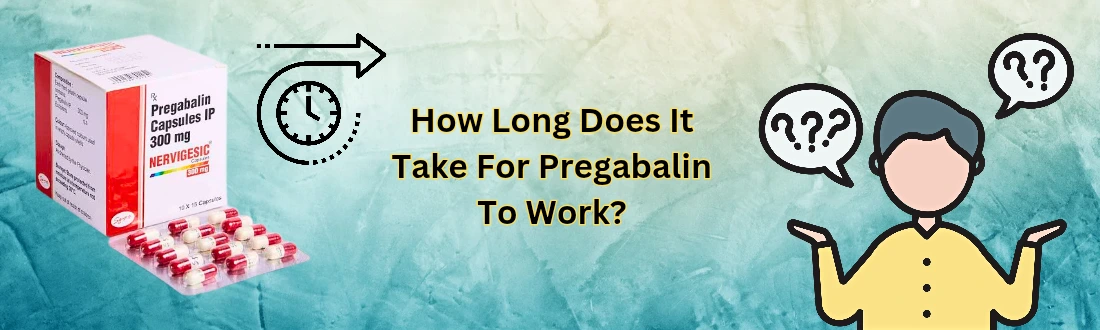
How Long Does It Take For Pregabalin To Work?
Pregabalin is used to treat nerve pain, anxiety, and seizures, but its effects are not immediate. Initial relief may appear within a few days to weeks.
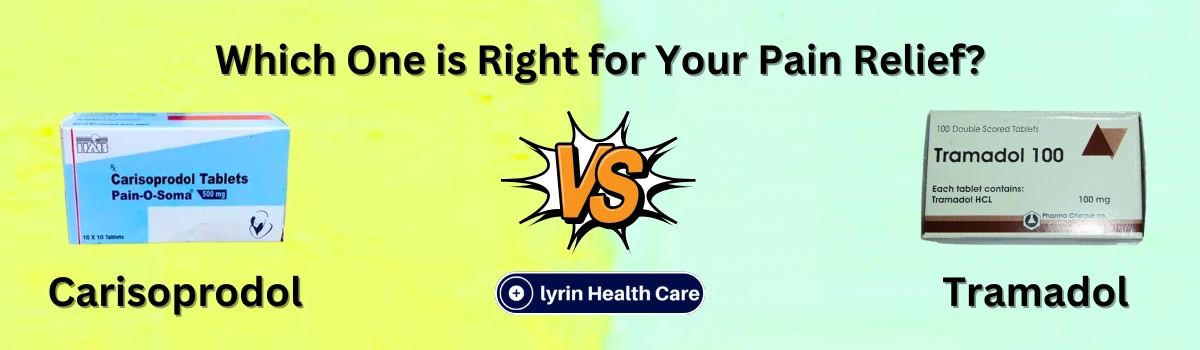
The Risks Of Combining Pregabalin (Lyrica) And Tramadol: What You Need To Know
Combining Pregabalin (Lyrica) and Tramadol can pose serious risks due to their combined CNS-depressant effects, potentially leading to respiratory depression
References
- Pregabalin, MedlinePlus.
- Alcohol's Effects on the Body, NIH. Gov.
- Pregabalin and Alcohol/Food Interactions, Drugs.
- Dangers and Effects of Mixing Pregabalin and alcohol, primroselodge.


